Designing a home is often seen as an opportunity to express style, creativity, and personal taste. However, true success in home design lies not just in how a space looks, but in how well it works. Even while handling everyday digital tasks like rtps 3, it becomes clear that convenience and usability matter just as much as appearance. A home that prioritizes functionality creates a smoother, more comfortable living experience over time.
Understanding Functional Design
Functional design focuses on how a space is used in daily life. It considers movement, accessibility, storage, and comfort before aesthetic elements. While visual appeal is important, it should never compromise practicality.
A well designed home ensures that every feature serves a purpose. From furniture placement to lighting choices, functionality ensures that each element contributes to ease of living. When design decisions are guided by usability, the result is a home that supports rather than complicates everyday routines.
The Problem With Style First Thinking
Many homeowners prioritize trends and visual appeal without considering how a space will function. This often leads to beautiful rooms that are difficult to use.
For instance, spending time exploring ideas like blooklet join might inspire creativity, but inspiration alone does not guarantee practicality. A stylish sofa that is uncomfortable or a decorative layout that restricts movement can quickly become frustrating.
Functionality ensures that design choices enhance daily living instead of creating obstacles.

Space Planning Makes All The Difference
One of the most important aspects of functional design is space planning. The way furniture and fixtures are arranged directly affects how easily you can move and use the space.
A functional layout considers natural pathways, room purpose, and accessibility. Kitchens, for example, benefit from efficient work triangles, while living rooms should allow for comfortable interaction.
Even when drawing inspiration from sources like make1m.com luxury, it is important to adapt ideas to suit your actual living needs. A layout that looks appealing in photos may not work in a real home without proper planning.
Storage As A Core Element
Storage is often overlooked in favor of visual design, but it plays a critical role in maintaining a functional home. Without adequate storage, clutter quickly builds up, affecting both appearance and usability.
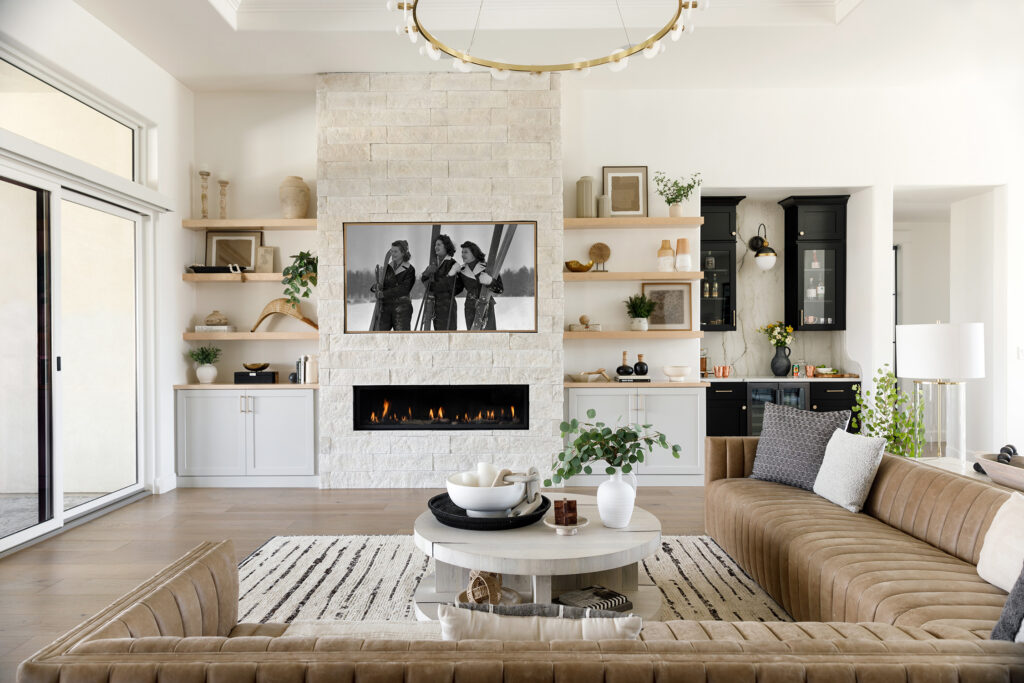
Functional homes integrate storage seamlessly into the design. Built in shelves, hidden compartments, and multi purpose furniture help keep spaces organized.
When storage is thoughtfully planned, it enhances both the look and the practicality of a home, making everyday life more manageable.
Comfort Over Decoration
Comfort is a key component of functionality. A home should feel inviting and supportive, not just visually impressive.
It is easy to focus on decorative elements inspired by ideas such as message unsent, but true satisfaction comes from how a space feels. Comfortable seating, proper lighting, and appropriate temperature control contribute to a better living experience.
Prioritizing comfort ensures that your home remains a place of relaxation rather than just a display of style.
Adapting To Daily Routines
Every household has unique routines, and functional design takes these into account. A home should adapt to the needs of its occupants rather than forcing them to adjust.
For example, families with children may require durable materials and open spaces, while individuals working from home need dedicated work areas.
Functional design aligns with real life patterns, ensuring that each space supports the activities it is meant for.
Reducing Maintenance Effort
A functional home is easier to maintain. Materials, finishes, and layouts that are practical reduce the time and effort required for cleaning and upkeep.
Choosing durable surfaces, easy to clean fabrics, and efficient layouts can significantly improve long term convenience.
Even when exploring entertainment or online platforms like dazcfutbol.org, the importance of efficiency remains clear. In home design, reducing unnecessary effort allows you to focus more on enjoying your space.
Balancing Functionality And Aesthetics
Functionality does not mean sacrificing beauty. In fact, the most successful designs balance both elements seamlessly.
When a space works well, it naturally feels more comfortable and appealing. Clean layouts, organized storage, and thoughtful design choices contribute to a visually pleasing environment.
A functional approach ensures that aesthetics enhance usability rather than compete with it.
Long Term Value Of Functional Design
Homes designed with functionality in mind offer long term benefits. They adapt better to changing needs, require fewer modifications, and provide consistent comfort.
Investing in functional design also increases property value. Buyers are often drawn to homes that offer practical layouts and efficient use of space.
By focusing on functionality, homeowners create spaces that remain relevant and valuable over time.
Conclusion
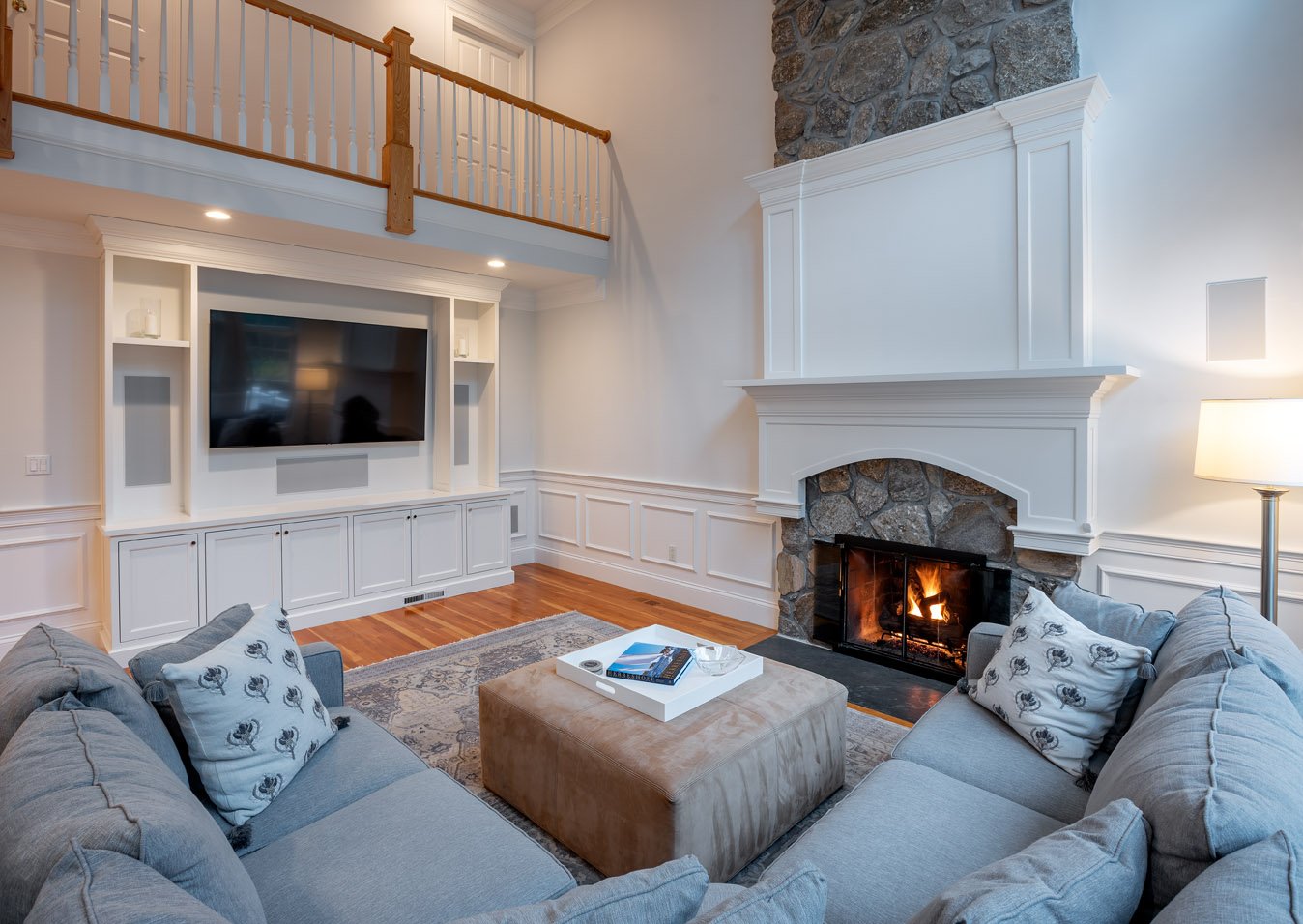
While style and trends may influence initial design choices, functionality is what determines how well a home serves its purpose. A functional home supports daily routines, enhances comfort, and simplifies maintenance. By prioritizing usability, thoughtful planning, and practical solutions, homeowners can create spaces that are not only beautiful but also highly effective. In the end, a home that works well will always feel better than one that only looks good.