A home should do more than provide shelter. It should evolve alongside the people who live in it. As families grow, lifestyles change, and priorities shift, living spaces need to remain practical, welcoming, and flexible. Designing a home that can adapt over time reduces the need for constant renovations while creating an environment where every family member feels comfortable.
Thoughtful planning allows a home to support daily routines today while remaining useful for future needs. From flexible layouts to multifunctional furniture, every design decision contributes to a space that continues to serve the household for years.
Flexible Floor Plans Make Everyday Living Easier
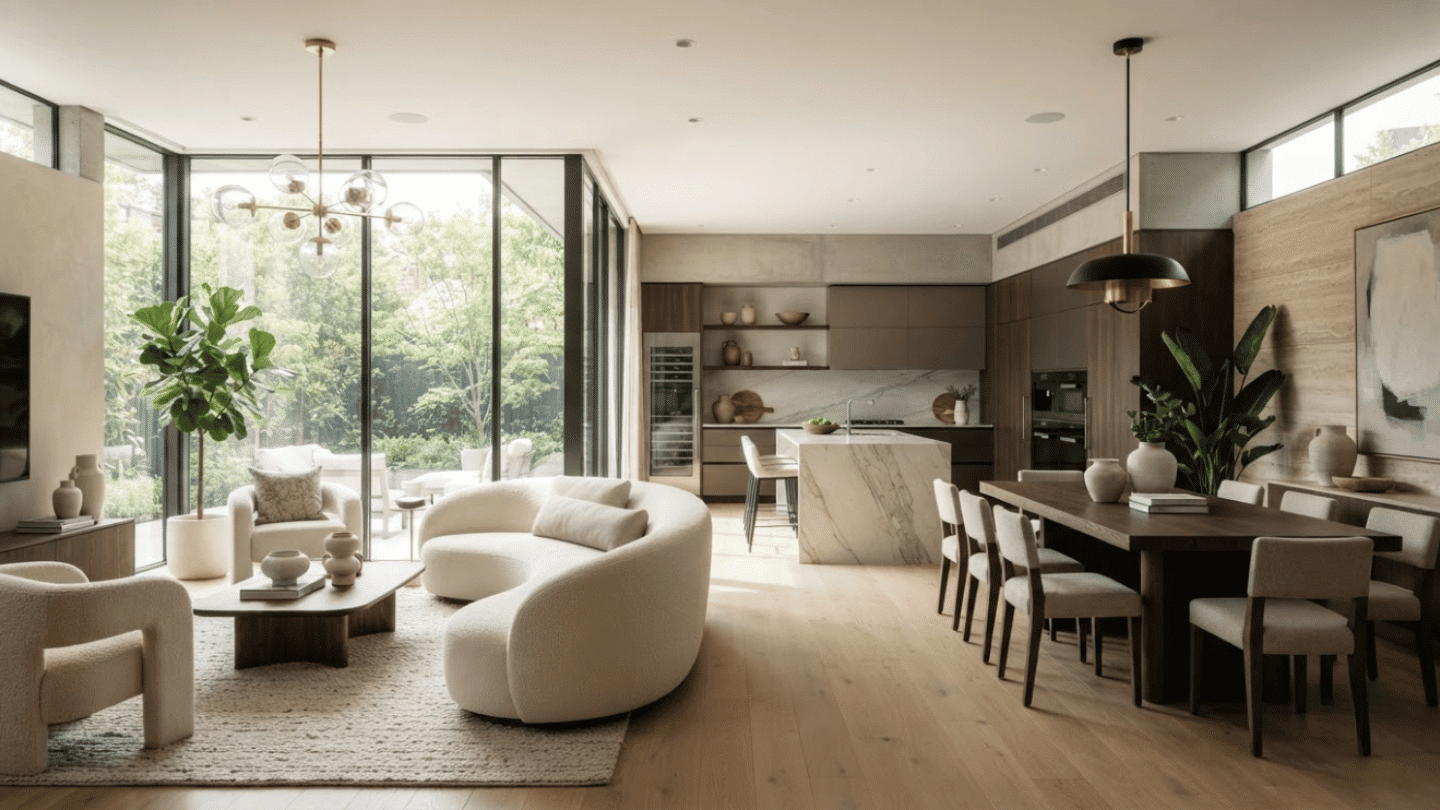
One of the most valuable features of a modern home is flexibility. Open living areas can accommodate family gatherings, children’s activities, workspaces, and quiet evenings without feeling crowded. Rooms that serve multiple purposes allow homeowners to adjust their homes as circumstances change.
For example, a guest room can also function as a home office, while a dining space can double as a study area. These adaptable spaces ensure the home remains practical regardless of changing family dynamics.
Furniture That Serves More Than One Purpose
Choosing versatile furniture helps maximize available space. Storage beds, expandable dining tables, modular sofas, and foldaway desks allow homeowners to make better use of every room.
Furniture that grows with children or adapts to different needs also provides long term value. Investing in quality pieces that remain functional through various life stages reduces unnecessary replacements while maintaining comfort.
Prioritizing Storage for Every Stage of Life
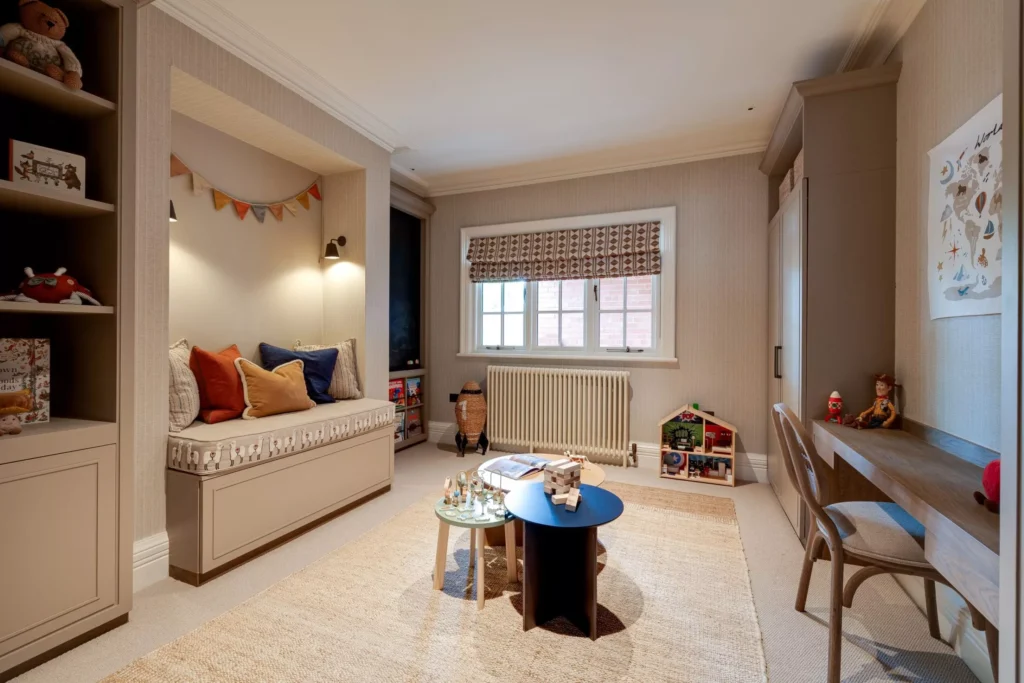
Storage requirements naturally increase as families expand. Toys, books, seasonal clothing, sports equipment, and household essentials all require organized spaces.
Well planned storage keeps living areas tidy while making everyday routines easier. Built in cabinets, under stair storage, floating shelves, and multifunctional furniture help maintain an organized environment without sacrificing style.
Many homeowners also stay informed through business news Australia trending to discover innovative storage products and smart home solutions introduced by growing design companies.
Creating Comfortable Shared Spaces
Family members often have different schedules and interests. Comfortable shared spaces encourage interaction while allowing everyone enough room to enjoy their preferred activities.
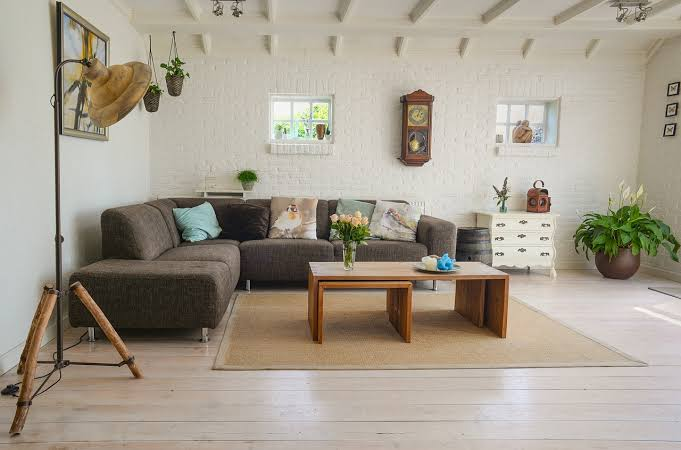
A living room with flexible seating arrangements supports movie nights, conversations, reading, or remote work. Outdoor entertaining areas provide additional gathering space during pleasant weather, helping families spend more quality time together.
Natural lighting, calming colors, and durable materials further enhance these shared environments, making them enjoyable for people of all ages.
Smart Design Supports Changing Lifestyles
Modern homes increasingly incorporate technology that improves convenience without overwhelming daily life. Smart lighting, programmable climate control, security systems, and energy efficient appliances create greater comfort while reducing ongoing costs.
Many of the best service businesses Australia now assist homeowners with smart home installation, interior upgrades, energy efficiency improvements, and customized renovation projects that help properties remain functional for years.
Bringing Local Character Into Home Design
A comfortable home often reflects the personality of its owners as well as the surrounding community. Decorative artwork, locally crafted furniture, natural materials, and regional color palettes create spaces that feel authentic.
Communities often inspire homeowners with new ideas throughout the year. Events such as Melbourne festivals 2026 showcase creativity, design trends, architecture, and artistic expression that can influence interior decorating choices in fresh and meaningful ways.
Planning for Future Family Needs
Families rarely remain the same for decades. Children grow older, elderly parents may move in, and remote work may become permanent. Homes designed with future flexibility avoid expensive modifications later.
Wide walkways, adaptable bathrooms, easily accessible storage, and rooms that can change purpose provide long term convenience. These practical choices help homeowners remain comfortable regardless of future lifestyle changes.
Homebuyers also pay close attention to adaptability when choosing properties. Discussions surrounding Sydney real estate and living often highlight homes that combine flexible layouts with energy efficiency, practical storage, and family friendly neighborhoods.
Balancing Style With Practical Living
Beautiful homes should also be easy to maintain. Durable flooring, washable paint, stain resistant fabrics, and timeless finishes help preserve a home’s appearance despite everyday wear.
Rather than following short lived design trends, selecting classic materials creates interiors that remain attractive over many years. Comfortable seating, functional kitchens, and organized entryways contribute just as much to daily satisfaction as decorative features.
Many homeowners embrace a modern Australian lifestyle by blending indoor and outdoor living, maximizing natural light, and choosing sustainable materials that provide both comfort and environmental responsibility.
Conclusion
Designing a comfortable home means thinking beyond today’s needs. Flexible layouts, practical storage, adaptable furniture, smart technology, and durable materials all contribute to living spaces that continue supporting families as life evolves. A thoughtfully planned home provides comfort, functionality, and lasting value while adapting naturally to every new chapter, creating an environment where every family member can feel truly at home.