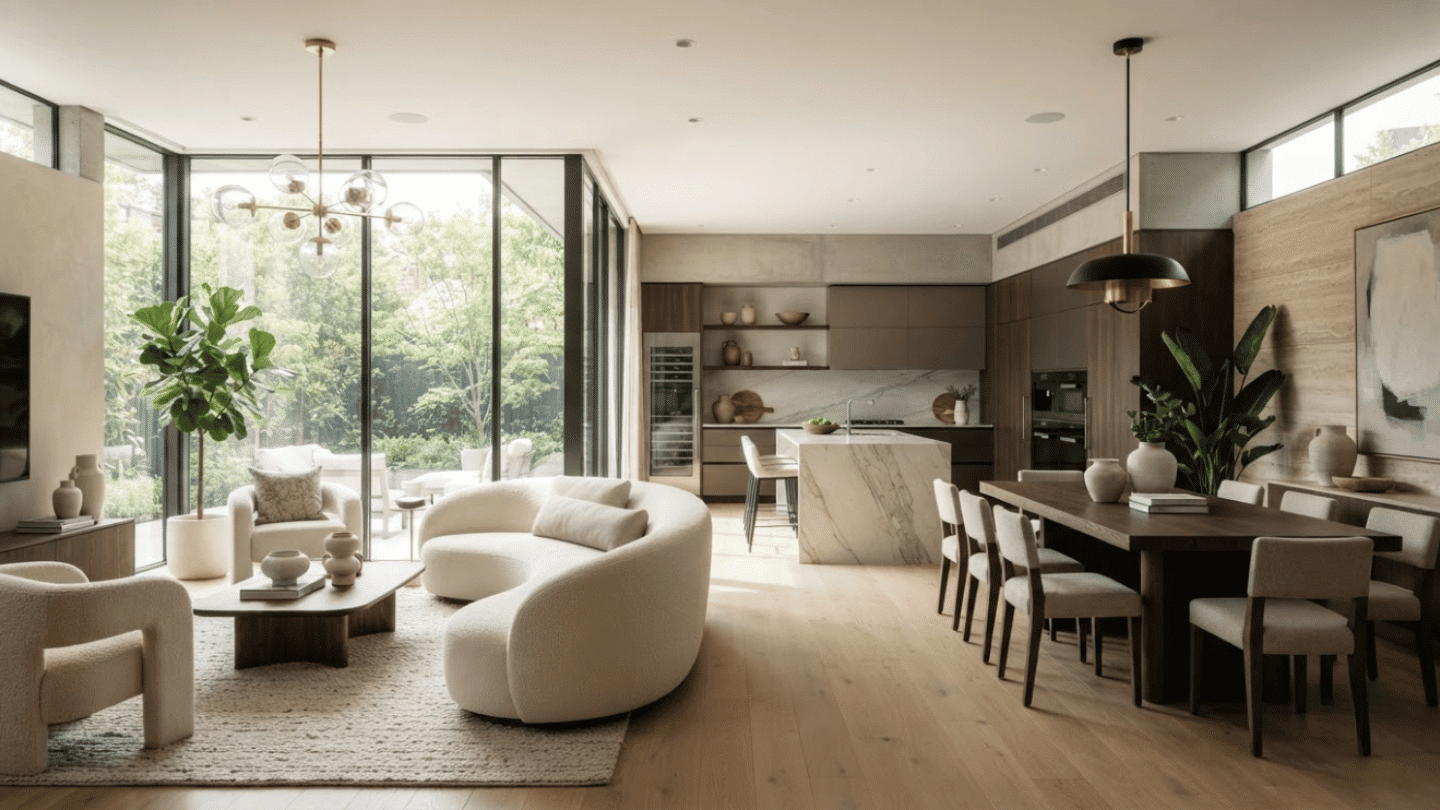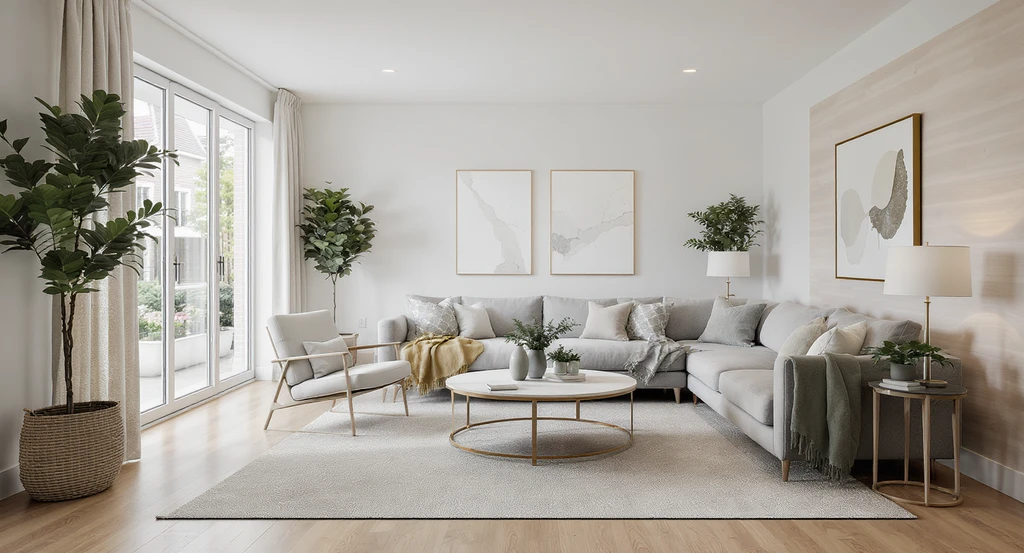
A well designed home should do more than impress visitors. It should support daily routines, adapt to changing needs, and remain comfortable for years to come. While decorating trends come and go, a functional living space continues to provide value through thoughtful planning, durable materials, and practical layouts. Creating a home that balances beauty with usability helps homeowners enjoy every room without constantly needing expensive updates.
Focus on purpose Before Decoration
Every room should have a clear purpose before furniture or decorative items are selected. Understanding how each space will be used allows homeowners to make better decisions about layouts, storage, and seating. A family room, for example, should encourage conversation, relaxation, and easy movement instead of being filled with unnecessary furniture.
When homeowners prioritize function, they naturally create spaces that remain useful as lifestyles evolve. This approach also reduces clutter and makes maintenance easier over time. Modern designers increasingly recommend adaptable layouts, layered lighting, and multifunctional furniture that can evolve with changing household needs.
Invest in Quality Materials
Long lasting homes rely on materials that can withstand everyday wear. Flooring, cabinetry, countertops, and upholstery should be selected based on durability as well as appearance. Although premium materials may require a larger initial investment, they often reduce repair and replacement costs in the future.
Homeowners who stay informed through resources like Australian business news for entrepreneurs often recognize the value of investing wisely rather than choosing products based solely on price. Smart purchasing decisions contribute to both financial savings and long term satisfaction.
Choose Flexible Furniture
Furniture that serves multiple purposes increases both comfort and efficiency. Storage ottomans, extendable dining tables, modular sofas, and wall mounted shelving help maximize available space without sacrificing style.
Flexible furniture also makes it easier to rearrange rooms as family needs change. Whether welcoming guests, creating a home office, or accommodating children, adaptable furnishings continue serving homeowners for many years.
Make Storage Part of the Design
One of the biggest reasons homes become uncomfortable is clutter. Effective storage keeps belongings organized while maintaining a clean appearance. Built in cabinets, under bed storage, floating shelves, and hidden compartments all contribute to better organization.
Many homeowners researching uploadarticle seo strategies understand the importance of organization when presenting digital content. The same principle applies to interior design. A well organized environment feels more inviting and allows each room to function efficiently.
Design With Technology in Mind
Modern homes depend on technology more than ever before. Planning locations for charging stations, internet equipment, smart lighting, and cable management prevents future inconveniences.
Even entertainment areas should accommodate changing technology without requiring complete redesigns. Homeowners searching for the best Android apps Australia often appreciate digital convenience, and similar planning inside the home creates a smoother everyday experience.
Use Timeless Colors and Finishes
Neutral colors create flexibility that lasts through changing decorating preferences. Shades of white, beige, gray, and soft earth tones provide an attractive foundation that can easily be refreshed with artwork, cushions, rugs, or seasonal accessories.
Rather than following every new design trend, selecting timeless finishes ensures that a home continues looking fresh for years without requiring major renovations. Designers also recommend balancing warmth, texture, and durable finishes instead of pursuing overly minimalist or trend driven interiors.
Create Comfortable Lighting
Lighting influences both functionality and atmosphere. Combining natural daylight with ceiling fixtures, task lighting, and accent lamps allows rooms to serve multiple purposes throughout the day.
Layered lighting makes reading easier, improves productivity, and creates relaxing evening environments. Proper lighting also highlights architectural features while making spaces appear larger and more welcoming.
Plan for Future Needs
Families grow, careers change, and lifestyles evolve. Designing with flexibility allows homes to accommodate these transitions without major structural changes. Extra storage, adaptable layouts, and durable finishes provide lasting value regardless of changing circumstances.
Homeowners exploring resources like an Australian business directory often understand the importance of planning ahead for growth. The same forward thinking mindset helps create homes that remain practical through every stage of life.
Similarly, staying informed through South Australia news today reminds people that communities, technologies, and lifestyles continue changing. Homes designed with adaptability in mind remain valuable regardless of future trends.
Conclusion
Designing a comfortable living space that remains functional for years requires thoughtful planning rather than simply following current trends. Prioritizing purpose, investing in durable materials, incorporating smart storage, selecting flexible furniture, and planning for future needs all contribute to a home that continues serving its occupants well. A carefully designed home delivers lasting comfort, reduces unnecessary renovations, and provides an environment where everyday life becomes easier, more enjoyable, and better organized.