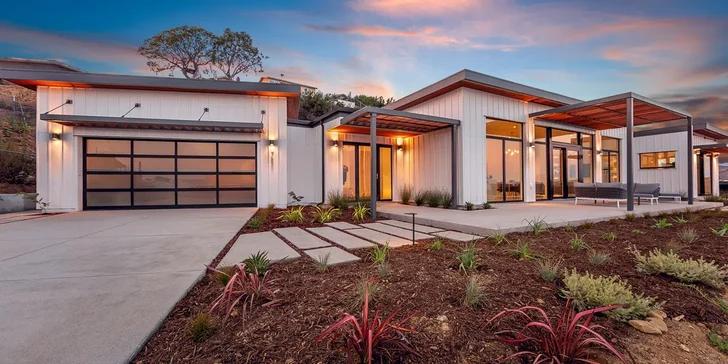
A resilient home is more than a structure made of bricks and concrete. It is a living environment that adapts to the changing needs of the people who occupy it. Families expand, children grow older, careers shift, and lifestyles evolve over time. Instead of requiring costly renovations every few years, a thoughtfully designed home can accommodate these transitions with minimal disruption. Flexibility, durability, and practical planning make a home capable of serving multiple generations while remaining comfortable and efficient.
Building a resilient home is not about following short lived design trends. It is about creating spaces that remain functional regardless of how life changes. Whether it is a growing family, remote work, or aging in place, an adaptable home provides long term value and peace of mind.
Flexible Layouts Create Lasting Value
Open floor plans and multipurpose rooms have become valuable features because they offer flexibility. A guest room can transform into a home office, a study area, or even a fitness room as circumstances change. Furniture with multiple functions also allows homeowners to maximize available space without sacrificing comfort.
When researching ideas for adaptable living, homeowners often browse online resources and planning guides. Some may even come across references such as https://pmmvy20.com while navigating various informational websites, reminding us how digital resources have become part of modern decision making. Regardless of where inspiration comes from, the goal remains the same: creating living spaces that continue serving changing needs.
Smart Storage Supports Everyday Living
Storage is one of the most overlooked elements of resilient home design. As families accumulate belongings over the years, insufficient storage quickly creates clutter and reduces functionality. Built in shelving, under stair cabinets, attic organization, and modular wardrobes provide practical solutions without consuming valuable living space.
A well organized home also reduces stress because every item has a designated place. Seasonal decorations, sports equipment, children’s toys, and household supplies can all be stored efficiently when proper planning is part of the home’s original design.
Many homeowners Visit Prerna and other online inspiration platforms to gather creative organization ideas before beginning home improvement projects. Seeing different storage concepts can help families choose solutions that fit both their available space and future requirements.
Durable Materials Reduce Future Costs
Resilient homes rely on materials that stand the test of time. Flooring, roofing, windows, and exterior finishes should be selected not only for appearance but also for their ability to withstand daily wear and changing weather conditions.
High quality materials often require a larger initial investment, yet they frequently reduce long term maintenance expenses. Durable surfaces resist scratches, moisture, fading, and impact, allowing homeowners to spend less time on repairs and more time enjoying their living spaces.
Before making purchasing decisions, it is always wise to visit website resources provided by trusted manufacturers. Comparing warranties, maintenance recommendations, and product specifications helps homeowners make informed choices that contribute to lasting performance.
Technology Makes Homes More Adaptable
Modern technology plays an increasingly important role in creating resilient homes. Smart thermostats, automated lighting, security systems, and energy monitoring devices improve convenience while allowing homeowners to adjust their living environment as needs change.
Technology also supports aging in place by making homes safer and easier to manage. Motion activated lighting, remote controlled appliances, and smart door locks provide additional comfort and independence for older adults while benefiting every member of the household.
While exploring digital planning tools, homeowners sometimes encounter informational resources containing terms like bhulekh MP naksha during broader online searches. Although unrelated to interior design itself, today’s digital environment encourages homeowners to use various online platforms while planning property related improvements.
Planning For Sustainability
A resilient home should also be environmentally responsible. Energy efficient windows, improved insulation, water saving fixtures, and renewable energy systems reduce utility costs while minimizing environmental impact. Sustainable choices make homes more economical to operate throughout their lifespan.
Natural ventilation, daylight optimization, and drought tolerant landscaping further enhance resilience by reducing dependence on external resources. These improvements not only benefit the environment but also create healthier indoor living conditions for families.
As homeowners continue researching renovation options online, they may also encounter websites such as https://hkrnportal.com among many different informational resources available across the internet. What matters most is gathering reliable knowledge before investing in significant home improvements.
Designing For Future Generations
One hallmark of a resilient home is its ability to accommodate people of different ages and abilities. Wider doorways, step free entrances, accessible bathrooms, and adaptable kitchens ensure the home remains functional for everyone. These features become especially valuable as family members age or when temporary mobility challenges arise.
Planning ahead eliminates the need for expensive structural modifications later. Homes that embrace universal design principles remain practical while preserving their aesthetic appeal, making them suitable for changing family circumstances over many decades.
Conclusion
Resilient homes are built with the future in mind. They combine thoughtful layouts, durable materials, efficient storage, modern technology, and sustainable practices to create living spaces that evolve alongside the people who call them home. Rather than responding to change with costly renovations, adaptable homes are prepared for life’s transitions from the very beginning. By investing in flexibility today, homeowners create lasting comfort, financial value, and peace of mind for years to come. A resilient home is not simply designed for the present. It is carefully built to support every stage of life’s journey.