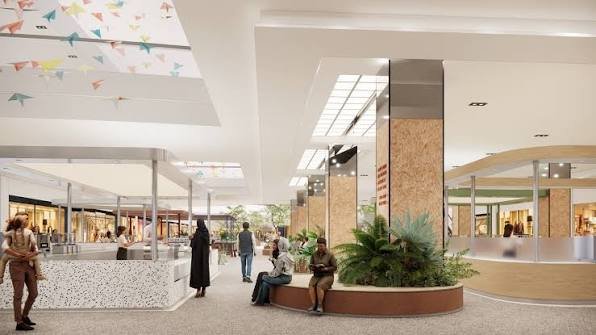
Shopping malls are becoming more than simply locations where people go to buy clothes, food, or necessities for the home. With the ability to shop, eat, interact, and take advantage of handy services all in one place, modern retail destinations are becoming significant aspects of daily life. The need for easily accessible retail locations has grown as residential neighborhoods continue to grow. A well-designed retail complex may improve neighborhood convenience while fostering a friendly atmosphere for locals, families, and guests.
The Development Of Contemporary Shopping Centers
Retail transactions were the main emphasis of traditional shopping malls. Developers are realizing more and more these days how important it is to design areas that facilitate many facets of everyday life. In order to provide a more comprehensive experience, modern shopping locations often include eateries, retail establishments, personal services, and community meeting spaces.
People who are looking for restaurants North Colorado Springs, for instance, could also value shopping areas with eating alternatives close to other necessities. With this combo, guests may eat, do errands, and spend time with family without having to go to other places.
Convenience That Facilitates Daily Activities
One of the key elements affecting where consumers choose to buy is convenience. Accessibility is a crucial component of contemporary retail projects due to hectic schedules, family obligations, and professional commitments.
By cutting down on needless travel, shopping malls close to residential areas may make daily tasks easier. When these facilities are near home, residents may find it simpler to see service providers, buy groceries, or enjoy informal dining.
A more pleasant shopping experience is further enhanced by accessible entrances, well-organized store layouts, and easy parking. People with a variety of requirements and lifestyles may find neighborhood shopping venues appealing due to these useful aspects.
Dining Experiences That Unite People
A contemporary retail destination’s vibe is greatly influenced by its restaurants and casual eating places. Dining provides opportunities for social interaction and entices guests to stay longer.
Professionals could meet coworkers for lunch, friends might have informal chats over coffee, and families might get together for weekend dinners. These encounters aid in converting retail complexes from just shopping destinations into hospitable social hubs.
A broad range of eateries may also suit various tastes, increasing the destination’s attractiveness to a larger group of people.
Encouraging Local Companies And Economic Development
Local businesses may benefit greatly from the assistance of neighborhood retail centers. Independent retailers, service providers, and eateries have the chance to establish themselves in expanding communities via retail projects.
Convenient locations that clients often visit for daily necessities are advantageous to smaller enterprises. In the meantime, locals may access a wider range of goods and services without relying only on far-off commercial areas.
Long-term economic activity may be enhanced by successful retail projects that create jobs and stimulate more investment in nearby communities.
Developing A Greater Feeling Of Community
When a retail location fosters deep ties among locals, its value increases. Environments where people organically engage may be created with the aid of welcoming outdoor spaces, pedestrian-friendly walkways, and cozy meeting places.
Additionally, community-focused projects provide chances for casual get-togethers, neighborhood events, and seasonal festivities. Residents’ connections may be strengthened, and a stronger feeling of belonging can be fostered by these events.
Percheron’s designs for a retail and commercial core alongside residential communities, parks, and trails demonstrate this more comprehensive approach. As the town grows, its planned business sector aims to provide inhabitants with daily necessities.
The Future Of Retail With A Lifestyle Focus
Shopping locations need to provide more than just a collection of retailers since customer expectations are always changing. Accessibility, cozy surroundings, food options, and linkages to the community are all becoming more and more crucial factors.
Businesses and people may benefit from long-term value created by developments that include these components. Modern retail facilities may become vital parts of thriving communities by emphasizing convenience and careful layout.
Conclusion
Contemporary retail malls are developing into places that facilitate daily convenience, eating, shopping, and social contact. Their increasing significance is a reflection of changing lifestyles and the need for easily accessible community facilities.
Retail establishments may enhance daily routines, promote the development of local businesses, and create hospitable areas where people like spending time when they are carefully integrated with residential neighborhoods. In the end, a successful shopping location involves more than just making purchases. Making daily life simpler, more connected, and more pleasurable is the goal.