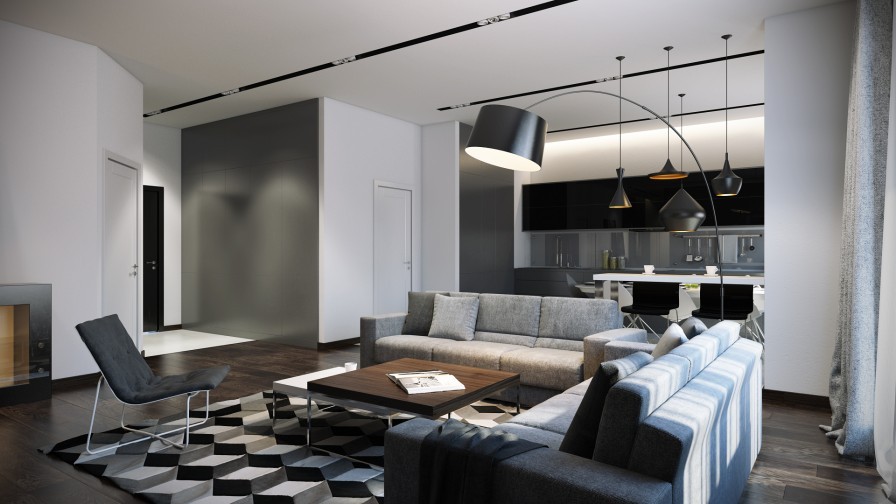
A home does not always need an additional room or a major renovation to become more functional. Sometimes, valuable space is already available but remains unnoticed because it falls outside the areas people use every day. An empty corner beside a staircase, a wide hallway, an unused wall near the kitchen, or the space beneath a window can easily become part of everyday living with a little planning.
Looking at these overlooked areas differently can reveal opportunities for storage, relaxation, work, organization, or decoration. The goal is not to fill every available inch. Instead, it is about recognizing where a small improvement could make daily life easier while giving previously forgotten parts of the home a meaningful purpose.
Empty Corners Can Become Purposeful Zones
Room corners are commonly occupied by nothing more than a floor lamp or decorative plant. In larger rooms, however, these areas can support much more. A compact chair and small table can create a reading spot, while a narrow desk can establish a practical workspace without requiring an entire home office.
The best use depends on the habits of the household. Someone researching property related information might Visit Apna Khata Rajasthan while working from a small desk created in an otherwise empty corner. What was previously unused space can become a quiet location for handling online tasks, reading, studying, or organizing household documents.
Space Beneath Staircases Deserves Attention
The area beneath a staircase is one of the most frequently overlooked parts of a multilevel home. Its unusual dimensions may make conventional furniture difficult to place, but custom or modular solutions can transform it.
Built in drawers can hold shoes, seasonal items, cleaning supplies, or children’s belongings. Open shelving can create a display area for books and decorative objects. In some homes, sufficient space may even be available for a compact workstation.
A small administrative area here could also be useful for household planning, including researching utilities or government programs such as pm surya ghar online apply. Giving the staircase area a clear function prevents valuable floor space from being wasted.
Hallways Can Offer More Than Passage
Hallways are generally treated as routes connecting different rooms, yet wider hallways can contribute to storage and organization. Slim shelving, wall mounted cabinets, hooks, or narrow console tables can add functionality without interfering with movement.
The important consideration is maintaining comfortable circulation. Furniture should never make a hallway feel cramped or create unnecessary obstacles. Vertical storage is particularly useful because it takes advantage of wall height while preserving floor area.
A small document station can also help keep household papers organized. Property records, maintenance information, utility documents, and online resources such as www.meebhoomionline.org may be easier to manage when there is a dedicated location for administrative materials.
Window Areas Can Become Comfortable Retreats
Windows naturally attract attention because they provide daylight and outdoor views. Despite this, the floor space directly beneath or beside windows often remains unused.
A window seat can turn this area into one of the most inviting places in a home. Adding storage underneath makes the arrangement even more practical. Blankets, books, toys, hobby supplies, or rarely used household items can remain accessible without creating visible clutter.
Even without installing a permanent seat, a comfortable chair positioned beside a bright window can establish a peaceful place for reading or relaxing. Sometimes the potential of this website or any digital inspiration source is similar to the potential of an overlooked home corner: its usefulness depends on recognizing the right purpose and applying ideas thoughtfully.
Awkward Kitchen Spaces Can Work Harder
Kitchens frequently contain narrow gaps between appliances, cabinets, and walls. These spaces may seem too small for conventional storage, but they can often accommodate specialized solutions.
A narrow rolling pantry can hold spices, bottles, or packaged foods. Wall mounted rails can organize frequently used utensils. Empty cabinet sides can support hooks, magnetic organizers, or compact shelves.
Unused space above cabinets can also provide storage for items that are needed only occasionally. Attractive baskets or containers can keep these objects organized while maintaining a clean appearance.
Bedroom Corners Can Support Everyday Organization
Bedrooms often have small areas that cannot comfortably accommodate large furniture. Instead of leaving them empty, homeowners can create specific functional zones.
A narrow corner might accommodate a dressing table, floating shelves, laundry basket, or compact reading chair. Another possibility is creating a household paperwork station where documents can be reviewed without occupying the main living areas. Someone who periodically needs to access employment information through jkpaysys login payslip, for example, may appreciate having a designated place for a laptop, files, and related paperwork.
The key is matching the solution to actual routines rather than adding furniture simply because space exists.
Vertical Space Is Often the Biggest Missed Opportunity
Not every forgotten corner exists at floor level. Empty walls, areas above doors, and spaces near ceilings can provide valuable storage opportunities.
Floating shelves can display books, photographs, plants, or collectibles without consuming floor space. Cabinets installed higher on a wall can store items that are rarely required. Even the back of a door can become useful with organizers or hooks.
Thinking vertically is especially valuable in smaller homes where every square foot matters. It allows homeowners to increase storage capacity without making rooms feel overcrowded.
Small Changes Can Reveal Hidden Potential
Making better use of forgotten spaces does not require turning every corner into storage. Some areas benefit simply from better lighting, comfortable seating, artwork, or greenery. Others can solve practical problems by providing a dedicated place for work, hobbies, household administration, or everyday belongings.
A thoughtful home evolves according to the people living in it. By reconsidering empty corners, overlooked walls, awkward gaps, window areas, and transitional spaces, homeowners can discover possibilities that were present all along. Instead of automatically looking for more space, it can be more rewarding to reconsider the space already available.
