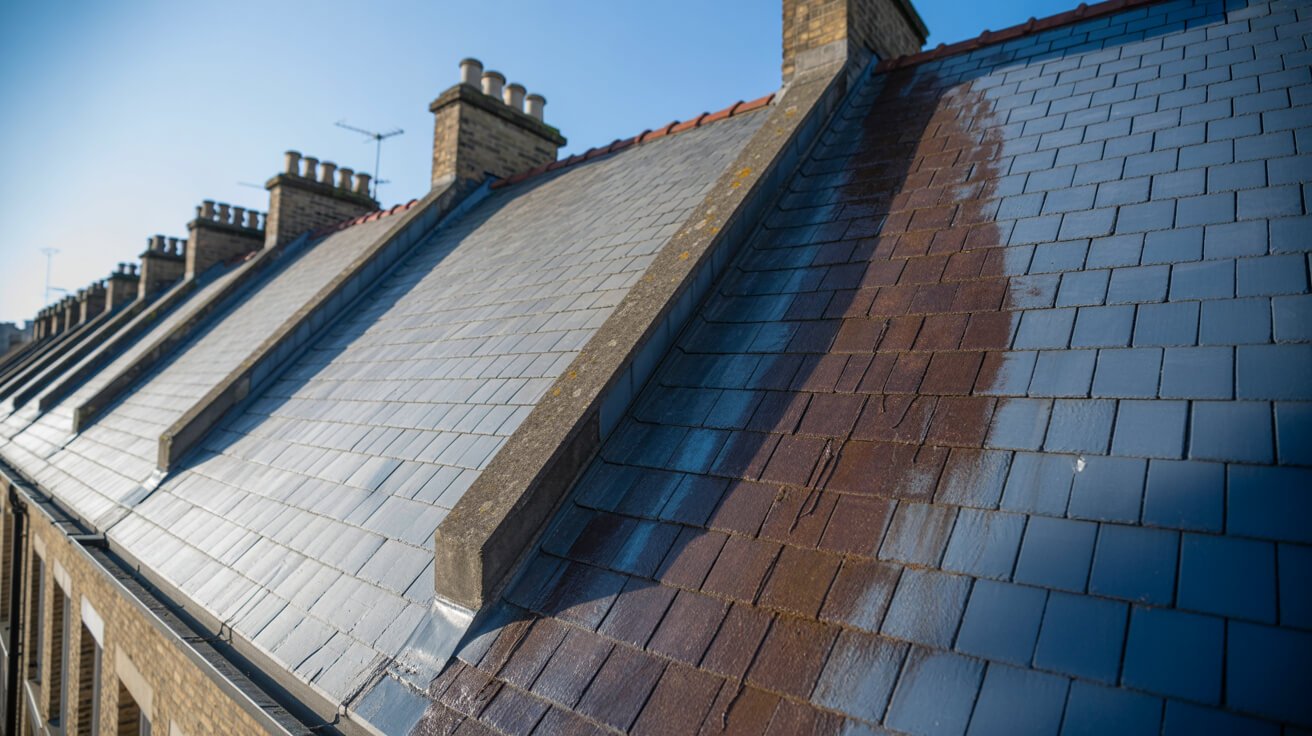
A commercial roof is one of the most important structural components of any business property. It protects equipment, inventory, employees, and interior spaces from environmental exposure while contributing to energy efficiency and overall building stability. However, continuous exposure to sunlight, moisture, temperature fluctuations, and harsh weather can gradually weaken roofing materials. Without proper maintenance, minor defects can develop into expensive structural problems that affect daily business operations.
Commercial roof repairs play an essential role in maintaining building performance and preventing premature roof replacement. Property owners who prioritize timely repairs, professional inspections, and preventive maintenance can extend the useful life of their roofing systems while reducing unexpected expenses.
Identifying Early Signs of Commercial Roof Damage
Commercial roofing problems often develop gradually, making early detection essential for preventing extensive damage. Small cracks, loose flashing, damaged membranes, and deteriorating sealants may initially appear insignificant. However, these defects can allow moisture to penetrate the roofing system and eventually affect insulation, decking, and interior building materials.
Regular inspections help property managers identify warning signs before they become serious concerns. Water stains on ceilings, unusual moisture accumulation, standing water, and visible membrane deterioration are common indicators of roofing problems.
Experienced commercial roofers Denver can assess roofing conditions, identify vulnerable areas, and recommend appropriate repair solutions based on the building’s roofing materials, age, and exposure to environmental conditions.
Addressing Roof Leaks Before Structural Damage Occurs
Water intrusion is among the most damaging problems affecting commercial roofing systems. Even a small leak can gradually compromise insulation, weaken structural components, and create conditions that encourage mold growth.
Commercial roofs frequently contain multiple penetrations for ventilation equipment, drainage systems, and mechanical installations. These areas require particular attention because improperly sealed connections can become entry points for moisture.
Professional repairs typically involve identifying the source of water intrusion, replacing damaged materials, and restoring protective seals. Addressing leaks promptly helps preserve interior spaces and reduces the likelihood of expensive restoration work.
Maintaining Roof Membranes and Protective Layers
Roof membranes serve as protective barriers against moisture, ultraviolet radiation, and changing weather conditions. Common commercial roofing materials include TPO, EPDM, PVC, and modified bitumen, each requiring specific maintenance and repair techniques.
Over time, membranes may develop punctures, seam separation, surface deterioration, or damage caused by rooftop equipment maintenance. Ignoring these problems can reduce waterproofing effectiveness and expose underlying materials to environmental damage.
Routine membrane inspections and timely repairs help maintain the roofing system’s protective capabilities. Repair methods should match the existing roofing material to ensure compatibility and dependable performance.
Improving Drainage to Prevent Water Accumulation
Proper drainage is essential for maintaining commercial roof performance, particularly on flat and low-slope roofing systems. When water cannot drain efficiently, prolonged moisture exposure increases the risk of membrane deterioration and leaks.
Blocked drains, accumulated debris, damaged gutters, and inadequate drainage slopes can contribute to standing water. Excessive water accumulation may also place additional stress on roofing components.
Cleaning drainage systems, repairing damaged outlets, and correcting localized drainage problems can significantly improve roof performance. Property managers should inspect drainage components regularly, especially following storms or periods of heavy rainfall.
Protecting Energy Efficiency Through Roofing Repairs
Commercial roofing systems contribute to indoor temperature regulation and overall building energy consumption. Damaged insulation, moisture penetration, and deteriorating roofing materials can reduce thermal performance and increase heating or cooling demands.
When moisture enters insulation layers, their effectiveness may decline, forcing HVAC systems to work harder to maintain comfortable indoor conditions.
Timely repairs help preserve insulation performance and support consistent indoor temperatures. Maintaining reflective roofing surfaces where applicable can also reduce unwanted heat absorption during warmer months.
These improvements may contribute to lower operating expenses while supporting a more comfortable working environment.
Preventing Weather-Related Roofing Deterioration
Commercial roofs experience continuous exposure to changing weather conditions. Strong winds, hail, snow accumulation, and temperature fluctuations can gradually weaken roofing components.
Wind damage may loosen flashing or membrane edges, while repeated freezing and thawing can expand existing cracks. Hail impacts may also create punctures or hidden damage that becomes noticeable later.
Working with qualified commercial roofers Denver allows property owners to evaluate weather related damage and determine suitable repairs. Professional assessments following severe weather can identify problems that might otherwise remain undetected until leaks develop.
Creating a Long-Term Commercial Roof Maintenance Strategy
A successful roofing maintenance strategy involves more than responding to visible damage. Property managers should establish inspection schedules, document previous repairs, and monitor areas that frequently experience deterioration.
Maintenance records provide valuable information about recurring problems and help determine whether continued repairs remain economically practical. Scheduled inspections also allow roofing professionals to evaluate membrane conditions, flashing integrity, drainage performance, and rooftop equipment connections.
Coordinating roofing maintenance with other building operations can minimize disruptions and improve overall property management efficiency.
Conclusion
Commercial roof repairs are essential for protecting building investments and maintaining dependable structural performance. Addressing leaks, repairing damaged membranes, improving drainage, and preserving insulation can prevent minor roofing defects from developing into major expenses.
A proactive approach that combines professional inspections, timely repairs, and consistent maintenance helps commercial property owners extend roof lifespan, support energy efficiency, and maintain safe operating conditions. Investing in appropriate roofing repairs today can reduce future maintenance costs and contribute to stronger building performance over time.