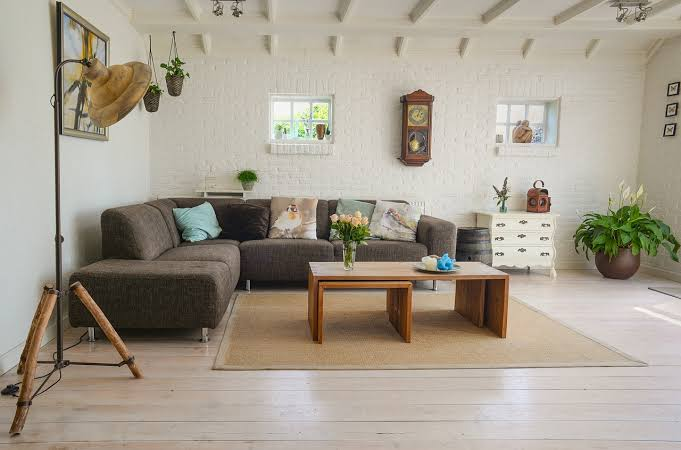
In today’s fast-paced world, the need for versatile and adaptable living spaces is more critical than ever. As homes become smaller and lifestyles more dynamic, the concept of multi-functional spaces has emerged as a practical solution to meet diverse needs without sacrificing style or comfort. Whether you’re working from home, pursuing a hobby, or entertaining guests, a well-designed multi-functional space can enhance Your living experience. Here are some expert tips to help you create a flexible and functional environment that adapts to your lifestyle.
1. Define Your Needs and Priorities
Before you begin designing your multi-functional space, it’s essential to identify your specific needs. Ask yourself what activities will take place in the area and how often. For example, if you need a home office, guest room, and exercise area, consider how these functions can coexist without compromising comfort or efficiency. Prioritize the most critical functions and plan your design around them.
2. Opt for Flexible Furniture
Furniture plays a pivotal role in creating a multi-functional space. Choose pieces that offer versatility and adaptability. For instance:
- Foldable or Expandable Tables: Perfect for dining, working, or crafting, these can be adjusted to fit different needs.
- Convertible Sofas: Sofas that transform into beds or feature hidden storage can accommodate guests and maximize space.
- Modular Furniture: Modular units can be rearranged or reconfigured to serve various purposes, from seating to storage.
3. Incorporate Smart Storage Solutions
Efficient storage is key to maintaining a clutter-free multi-functional space. Look for innovative storage solutions that blend seamlessly with your décor:
- Built-in Shelves and Cabinets: Utilize vertical space to keep essential items organized and out of sight.
- Under-Bed Storage: Utilize the space beneath beds for storing seasonal items or extra linens.
- Wall-Mounted Units: Floating shelves or cabinets can provide additional storage without taking up floor space.
4. Create Zoning with Design Elements
Designating specific areas within a multi-functional room can help delineate different activities while maintaining an open feel:
- Area Rugs: Use rugs to define different zones, such as a seating area versus a workspace.
- Lighting: Incorporate different lighting options, like task lighting for work and ambient lighting for relaxation, to distinguish between functions.
- Color and Texture: Employ contrasting colors or textures to visually separate areas within the same room.
5. Use Multi-Functional Decor
Decor can also play a role in enhancing the functionality of your space. Consider incorporating elements that serve dual purposes:
- Decorative Screens: These can act as room dividers while adding an aesthetic touch.
- Ottomans with Storage: Ideal for both seating and storing items like blankets or magazines.
- Fold-Down Desks: These can be tucked away when not in use, freeing up space for other activities.
6. Embrace Technology
Technology can streamline and enhance the functionality of your space:
- Smart Home Devices: Integrate smart lighting, thermostats, and voice-controlled assistants to adjust the environment according to your needs.
- Built-In Charging Stations: Keep devices powered up and organized with hidden charging solutions.
7. Prioritize Comfort and Ergonomics
A multi-functional space should not only be versatile but also comfortable. Invest in ergonomic furniture and accessories that support various activities without sacrificing comfort. For example:
- Adjustable Chairs and Desks: Ensure that workspaces are comfortable for extended use.
- Quality Bedding: If the space doubles as a guest room, invest in a comfortable mattress and bedding for a good night’s sleep.
8. Stay Organized and Maintain Flexibility
Regularly reassess the use of your multi-functional space to ensure it continues to meet your needs. Implement organizational systems and storage solutions that make it easy to switch between functions without hassle. Regular decluttering and reorganization can keep the space adaptable and efficient.
Conclusion
Creating a multi-functional space requires thoughtful planning and a balance between form and function. By incorporating flexible furniture, smart storage solutions, and innovative design elements, you can transform a single room into a versatile environment that adapts to your ever-changing needs. Embrace the challenge and enjoy the benefits of a space that evolves with you, offering both practicality and style.